Prevents thermal shock
Prevents thermal shock to refractory linings (cold refractory cracks when it meets molten steel at ~1600°C)

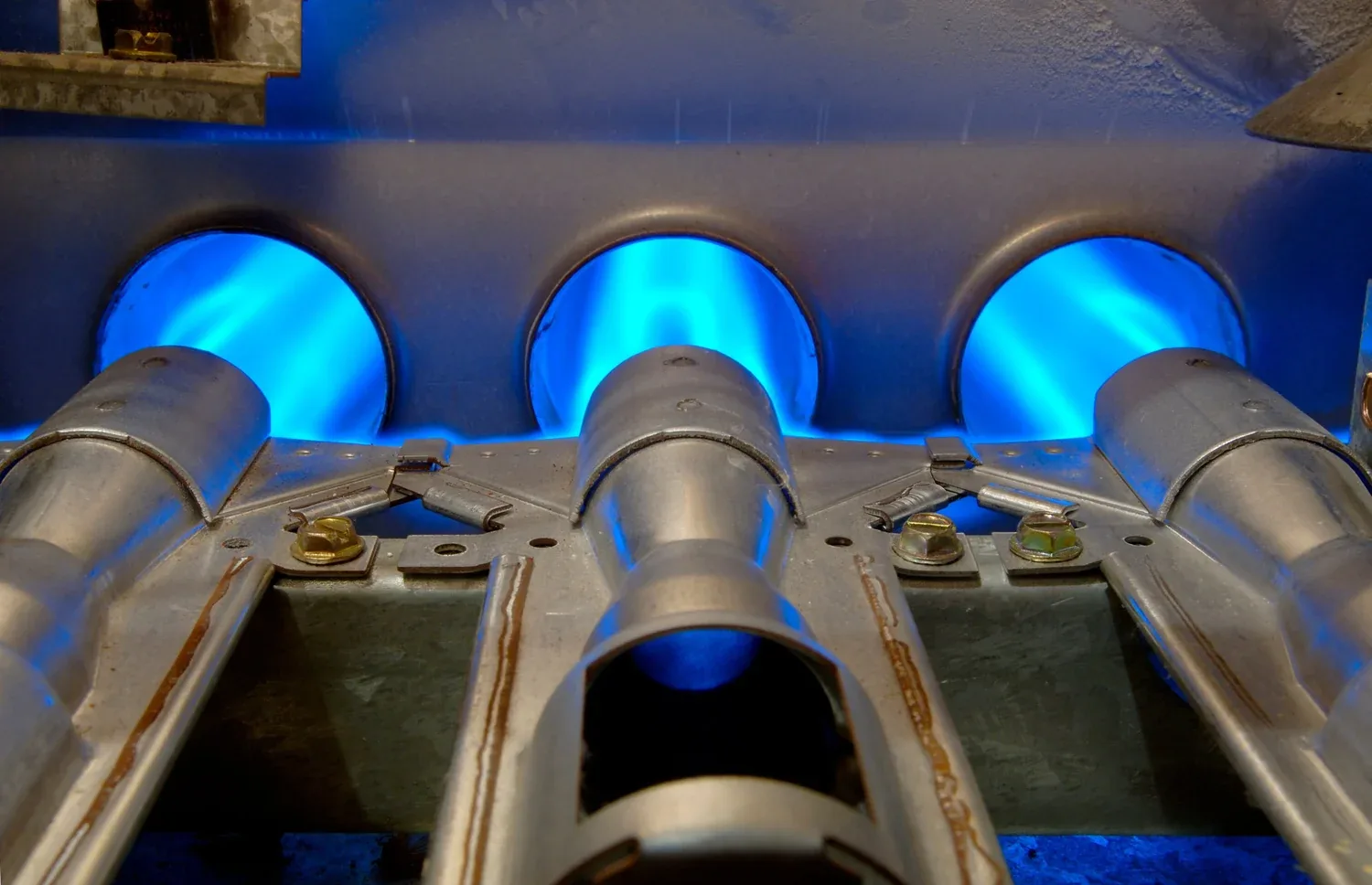
Custom low-NOx burners, process heaters, industrial dryers, and steel mill crucible preheating. Designed around your fuel, your cycle time, and your emissions limit.
A low-NOx burner is a gas-fired burner engineered to limit nitrogen oxide formation by controlling flame temperature and staging combustion air. Flare Services designs low-NOx burners, process heaters, dryers, and crucible preheaters around your fuel, cycle time, and emissions limit.
We design complex heating/combustion systems that aren't available as catalog equipment, backed by Over 100 years of combined experience, with fabrication and installation support.
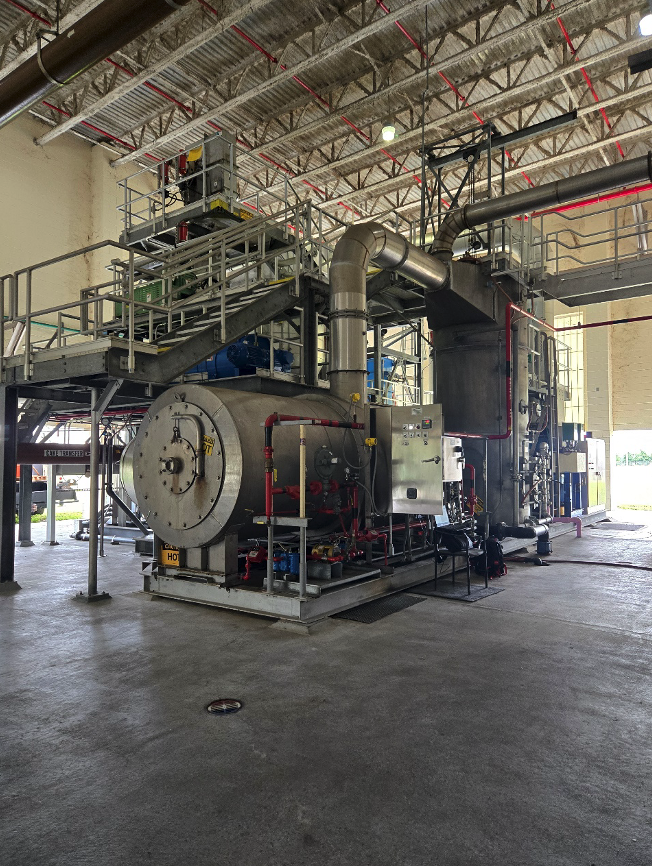
Large-scale drying and process heat, designed for uniform temperature and fast recovery — fabricated heavy, delivered, and set in the field by our crews.
Prevents thermal shock to refractory linings (cold refractory cracks when it meets molten steel at ~1600°C)
Removes moisture from the lining (avoids steam explosions)
Improves steel quality by maintaining stable temperatures
Extends refractory life, reducing costs
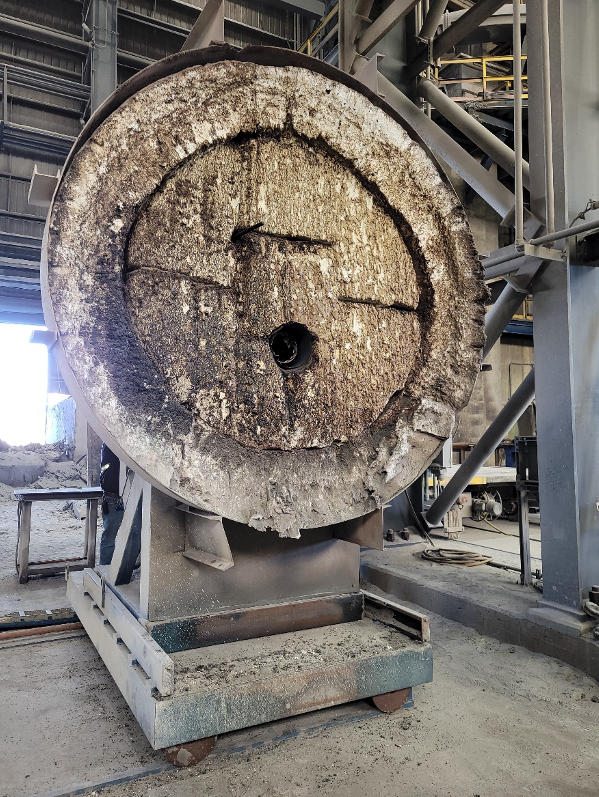
Natural gas and propane, direct flame heating into the ladle or crucible, usually automated with temperature controls. Fast heating and widely proven. The tradeoffs are fuel cost and NOx and CO₂ emissions.
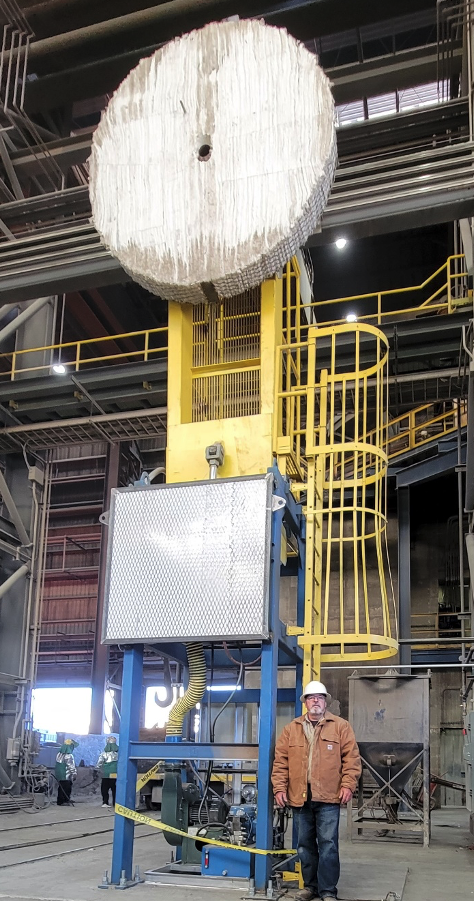
Preheating prevents thermal shock that cracks cold refractory linings when they meet molten steel at around 1600°C, drives off trapped moisture that would otherwise flash to steam and create an explosion risk, improves steel quality by reducing contamination, and extends refractory life.
Typical target preheat temperature is 800°C to 1200°C depending on refractory type, over a heating time of one to four hours.
A low-NOx burner is designed to limit nitrogen oxide formation during combustion, generally by controlling flame temperature and air staging. NOx begins forming above roughly 2000°F, so holding the flame below that threshold is central to the design.
Burners are engineered around the fuel available at the site, including natural gas, field gas, propane, and mixed or low-BTU streams. Fuel composition is one of the first inputs used to size the burner and its controls.
Yes. Flare Services designs complex heating and combustion systems that are not available as catalog equipment, including process heaters, industrial dryers, and steel mill crucible preheaters, with fabrication and installation support.
Yes. Inspection, tuning, parts, refractory work, and efficiency upgrades are performed on existing burner and heating equipment regardless of who originally supplied it.
We'll design the burner system around it.